












































Vitamin D is one of the most overlooked components of a healthy immune system. In fact, before the development of antibiotics and advanced medical care, healthcare professionals unknowingly treated patients that had infectious diseases using vitamin D, achieving better outcomes in the process.
An excerpt in the London Journal of Medicine from 1849 revealed how one physician used cod liver oil-a rich source of vitamin D-to help 206 out of 234 patients recover from tuberculosis (1).
In 1903, a Swiss doctor named Auguste Rollier used sunlight therapy for patients with infectious diseases, leading to the creation of sanatoriums where TB patients received vitamin D through sunlight exposure. Many doctors during this time believed that sunlight killed the tuberculosis bacterium (2).
Despite this being over 100 years ago, these physicians were surprisingly on-point. Recent decades of scientific research has revealed that vitamin D has intimate ties to the immune system.
Vitamin D and Protection from Viruses
When your body doesn't have enough vitamin D, your immune system can have a difficult time fighting off infections. Several studies have found that people with vitamin D deficiencies are more likely to experience upper respiratory infections (colds), influenza, and bacterial infections (3).
Moreover, there's evidence that supplementing vitamin D can decrease the risk of getting sick with influenza or other related illnesses (4). This could explain why so many people get sick in the winter.
In winter months, people tend to bundle up against the cold and spend less time outdoors. Plus, people living in northern latitudes, which covers most of the US and Europe, can't make vitamin D in winter months due to the angle of the sun relative to earth. The lower levels of vitamin D then make you more susceptible to catching a cold or flu (5, 6).
There's also evidence that suggests low levels of vitamin D are associated with worse COVID-19 outcomes and increased mortality. It's theorized that this occurs because vitamin D can help prevent the dangerous cytokine storm that can happen with a COVID-19 infection (7, 8).
For this very reason, researchers from Trinity College Dublin are also urging the Irish government to promote vitamin D for improved COVID-19 outcomes (9). Of course, this research is just preliminary and does not prove anything as of yet. Time will tell whether there is a true relationship between vitamin D and COVID-19 outcomes.
That being said, all this is pretty impressive for a little vitamin that your body makes from the sun, right? And it turns out that vitamin D does much more for the immune system than just helping it eliminate infection from viruses.
Vitamin D and Autoimmunity
Vitamin D can help balance out the immune system. In other words, it exerts immunomodulatory effects. This is important because when the immune system becomes overactive, it can attack your cells. When this happens, it's called autoimmune disease.
Research has found correlations between vitamin D deficiency and autoimmune diseases such as multiple sclerosis, lupus, and type 1 diabetes (10). As such, experts believe that getting enough vitamin D is important for the prevention of autoimmunity (11).
The take-home point here is that vitamin D has immunomodulatory effects that help balance the immune system and may prevent the immune system from overreacting and attacking healthy cells.
The Potential Link Between Vitamin D and Cancer
Most people realize that the immune system is important for killing off infections. But in addition to killing off harmful bacteria or viruses, your immune system has the important job of destroying cancer cells before they multiply and become a problem (12).
Of course, the immune system isn't perfect. And cancer cells have some clever tricks. Some cancer cells, for instance, can change their behaviors to hide from natural killer cells-a type of immune cell that can kill harmful microbes or cells including cancer cells (13).
Evidence suggests that vitamin D may play an important role in the immune system for several types of cancer cells (14). This could explain why there are associations with vitamin D and reduced cancer mortality (15). This seems to be particularly the case for vitamin D and reduced risk of breast cancer.
One study showed women with high levels of vitamin D (> or equal to 60 ng/ml) had an 82% lower risk of breast cancer compared to women with a low level of vitamin D (<20 ng/ml) (16). Survival rates for breast cancer are also markedly better for women with higher vitamin D (17).
Of course, cancer is exceptionally complicated, and this does NOT mean vitamin D is a prevention or cure. Rather it shows that vitamin D plays an important role in the immune system, which we rely on to keep us healthy.
How to Get More Vitamin D
Ideally, you should get vitamin D naturally, from the sun, which is easier in summer months. Aim for at least 15 minutes of direct sun to skin exposure every day. If you have darker skin, you need even more time in the sun.
In addition to producing vitamin D, sun exposure is known to trigger the release of nitric oxide. Nitric oxide can combine with reactive oxygen species (also made by sun exposure) to produce a compound called peroxynitrite that is a natural antibacterial agent produced in your body (18).
Getting sun exposure can also help normalize your circadian rhythm for better sleep which also plays a critical role in immune health (19, 20).
However, getting 15+ minutes of sun exposure simply isn't possible or even practical sometimes. If you're unable to get enough sun exposure, the next best option is getting it through your diet with wild-caught oily fish or wild mushrooms, or via a nutritional supplement.
While it's a good idea to take a vitamin D supplement during winter months or if you spend most of your time indoors, many vitamin D supplements out there are sourced from the fat in lamb's wool. Not so appetizing, right?
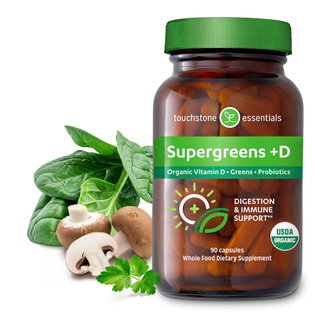
Mushrooms are the only superfood source for vitamin D, making them an optimal, environmentally friendly source of vitamin D. Despite rumors that the plant-based form of vitamin D is inferior to animal-based vitamin D, studies have found that both forms of vitamin D are equally effective (21).
In addition to organic vitamin D, an ideal supplement should include the nutritional co-factors that optimize absorption. Mineral-rich greens provide the right balance of vitamin K, magnesium and other nutrients your body needs to make the most of vitamin D.
The immune system is critical to our well-being. Research shows that vitamin D is a keystone for immune health through protecting us from infections, and helping to prevent an overactive immune system. Since one small vitamin can have such a big impact, getting enough vitamin D should be a priority every day.
Shop this Article
Recent Articles

11 Vitamins & Minerals Women Need

Hibiscus Mojito Detox Mocktail

7 Simple Ways to Enhance Your Detox

3 Big Ways Telomeres Impact Mitochondria
9 Foods to Stimulate GLP-1 Naturally
Use HSA/FSA for Your Favorite Detox Supplements
5 Dangers of Supplement Dupes

A Letter of Thanks From Our Founder

The Ultimate 2025 Holiday Gift Guide

9 Biohacking Tips for Longevity
Recent Articles
11 Vitamins & Minerals Women Need
Hibiscus Mojito Detox Mocktail
7 Simple Ways to Enhance Your Detox
3 Big Ways Telomeres Impact Mitochondria
9 Foods to Stimulate GLP-1 Naturally
Use HSA/FSA for Your Favorite Detox Supplements
A Letter of Thanks From Our Founder
The Ultimate 2025 Holiday Gift Guide
9 Biohacking Tips for Longevity


